
1. Recyclability: Steel’s Endless Life Cycle
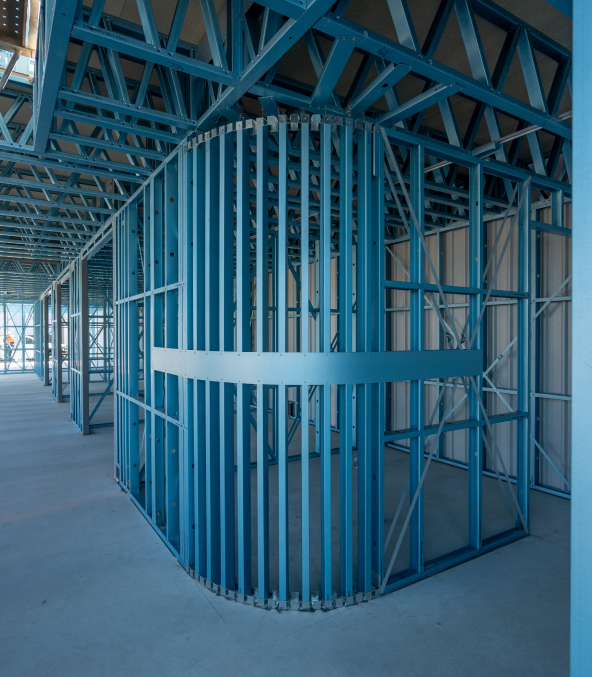
One of the key environmental advantages of steel is its 100% recyclability. Unlike timber, which can only be repurposed to a certain extent, steel can be recycled indefinitely without losing its structural integrity. Every time a steel frame is repurposed, it reduces the need for new raw materials, saving energy and reducing waste. At Maxispan, we use steel that can be recycled at the end of its life, contributing to a circular economy that minimises environmental impact.
2. Conservation of Natural Resources
Timber requires the harvesting of trees, which may contribute to deforestation and habitat loss. Even with sustainable forestry practices, it can take decades for new trees to replace those that are cut down. Steel, on the other hand, is manufactured from abundant raw materials like iron ore, and its production process has become more energy-efficient over time.
3. Durability and Longevity
Steel is known for its durability and resistance to pests, rot, and weather conditions that can compromise timber structures. Because steel frames are built to last, they require fewer repairs and replacements over time. This longevity not only reduces maintenance costs but also minimises the consumption of new materials, making steel a more sustainable choice in the long run.
4. Energy Efficiency in Production
The energy required to produce steel has decreased significantly in recent years, thanks to advances in technology. Modern steel mills are more efficient than ever, using less energy to produce high-quality steel. Timber, while renewable, often requires energy-intensive treatments to make it resistant to pests and decay. Steel’s increasing production efficiency makes it a more eco-friendly option when you consider the full lifecycle of the material.
5. Reduced Construction Waste
Steel framing is precision-engineered to exact specifications, resulting in minimal on-site waste. Timber, however, often requires cutting and trimming on-site, leading to more offcuts and discarded materials. By opting for steel framing, builders can reduce waste during construction, contributing to cleaner and more sustainable building practices.
Conclusion: The Eco-Friendly Choice
While both steel and timber have their merits, steel is increasingly becoming the go-to option for eco-conscious builders. Its recyclability, durability, and energy efficiency make it a strong contender for sustainable construction. At Maxispan, we are committed to providing steel framing solutions that not only meet the highest standards of quality but also align with environmentally responsible building practices.